

Get A Quote
One of our team would be happy to have a chat with you about your requirements, answer any unanswered questions and measure up at a time that suits you to provide you a free, no obligation quote.

If your conservatory sits empty from November to March, you are not alone. Many Surrey homeowners tell us the same thing: it is a lovely room for a few weeks in spring and autumn, but too cold to sit in during winter and too hot to bear in high summer.
The good news is that you don’t have to put up with it. In this guide we explain why older conservatories struggle with temperature, and the options available to turn yours into a room you can use every day of the year.
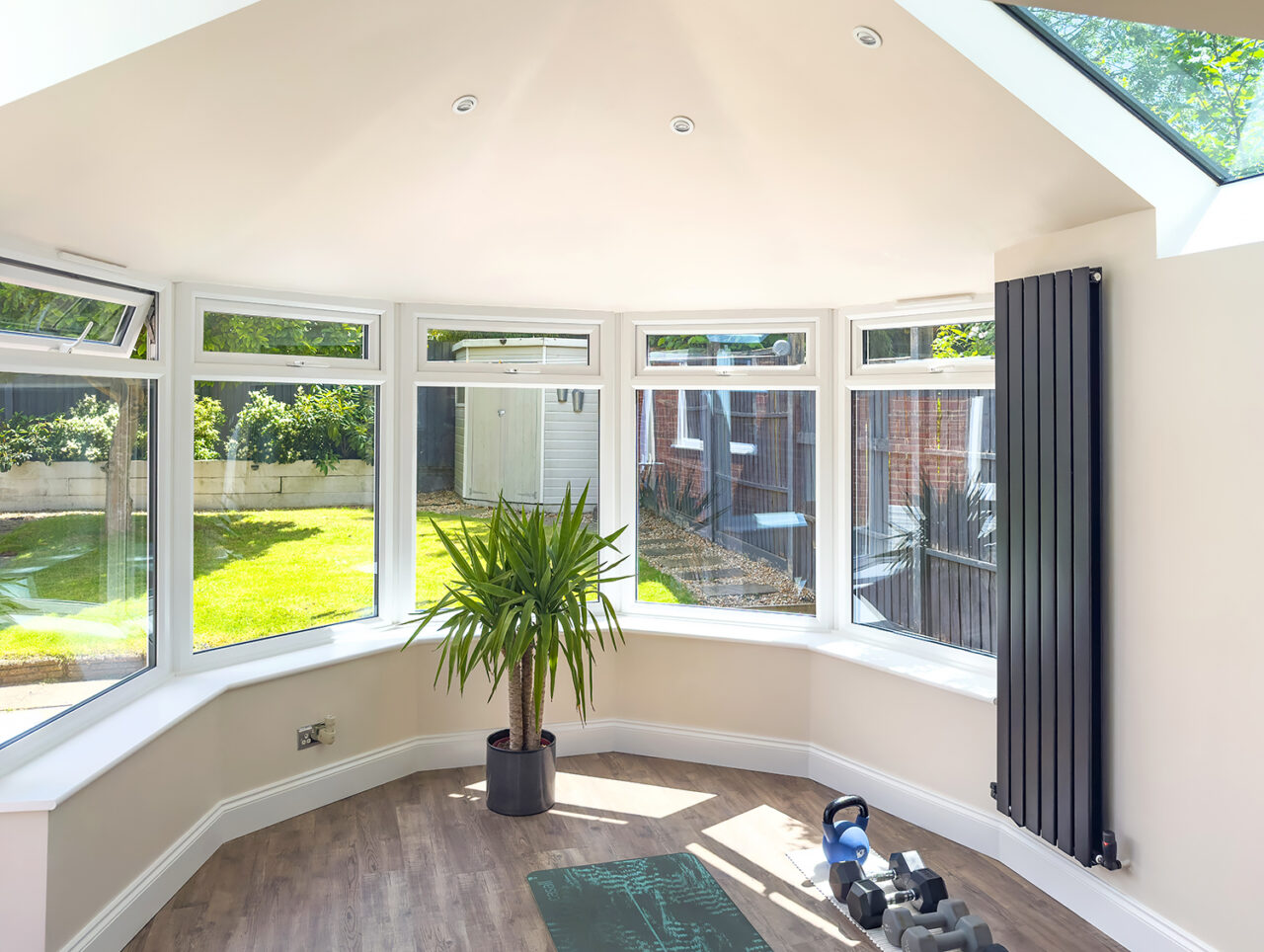
Many conservatories built in the 1980s, 1990s and early 2000s were designed as garden rooms rather than living spaces, and that shows in the roof. A lot of them have a polycarbonate roof, a lightweight plastic sheet with thin air channels inside, or older glass that was never designed with energy efficiency in mind.
Heat rises, so the roof is where much of your warmth escapes. A thin polycarbonate or early glass roof lets heat pass straight through, so even with a radiator or heater running, the room cools quickly once the sun goes down. Add older frames, tired seals and early double glazing, and draughts become part of the picture too.
Condensation is another common complaint. When warm, moist air from the house meets a cold roof or window, it turns to water. You may notice droplets on the glass, damp patches or a musty smell in the colder months.
It might seem odd that a room which is freezing in January can feel like a greenhouse in July, but the cause is the same. A roof that lets heat out in winter also lets the sun’s heat pour in during summer.
Clear polycarbonate and basic glass offer little protection from solar heat, so temperatures climb quickly on a sunny afternoon. Glare can make it hard to watch TV or work on a screen. The result is a room with a short comfortable season, and a lot of money spent heating a space that never quite warms up.
There is no single answer for every home. The right choice depends on the age and condition of your conservatory, how you want to use it and your budget. These are the main options we talk through with customers.
For most older conservatories the roof is the biggest problem, so replacing it makes the biggest difference. An Icotherm Warm Roof is a solid, insulated roof system that replaces your old polycarbonate or glass panels. It is finished with lightweight tiles outside and a plastered ceiling inside, so the room feels like a proper part of your home.
What changes:
The new roof is usually fitted to your existing frames and dwarf walls, as long as they are in good condition. You keep the same footprint and avoid the cost and upheaval of a full rebuild. We check all of this as part of your survey.
If you love the light, Icotherm also offers designs with glazed panels or a roof lantern, so you can keep daylight exactly where you want it.
If your roof is in reasonable shape but your windows and doors are old, upgrading the glazing can make a real difference. Modern double glazed units hold heat far better than early units, and new frames and seals cut out draughts.
Ask about glass options too. Low E glass helps keep heat inside in winter, while solar control glass reduces the heat and glare coming in during summer. For many homes the best result comes from pairing a new warm roof with new glazing, so the whole room works together.
Blinds, extra heaters and draught excluders can take the edge off. They won’t solve the underlying problem, though, and the cost of heating a poorly insulated room soon adds up. They are best seen as a short term fix while you plan something more permanent.
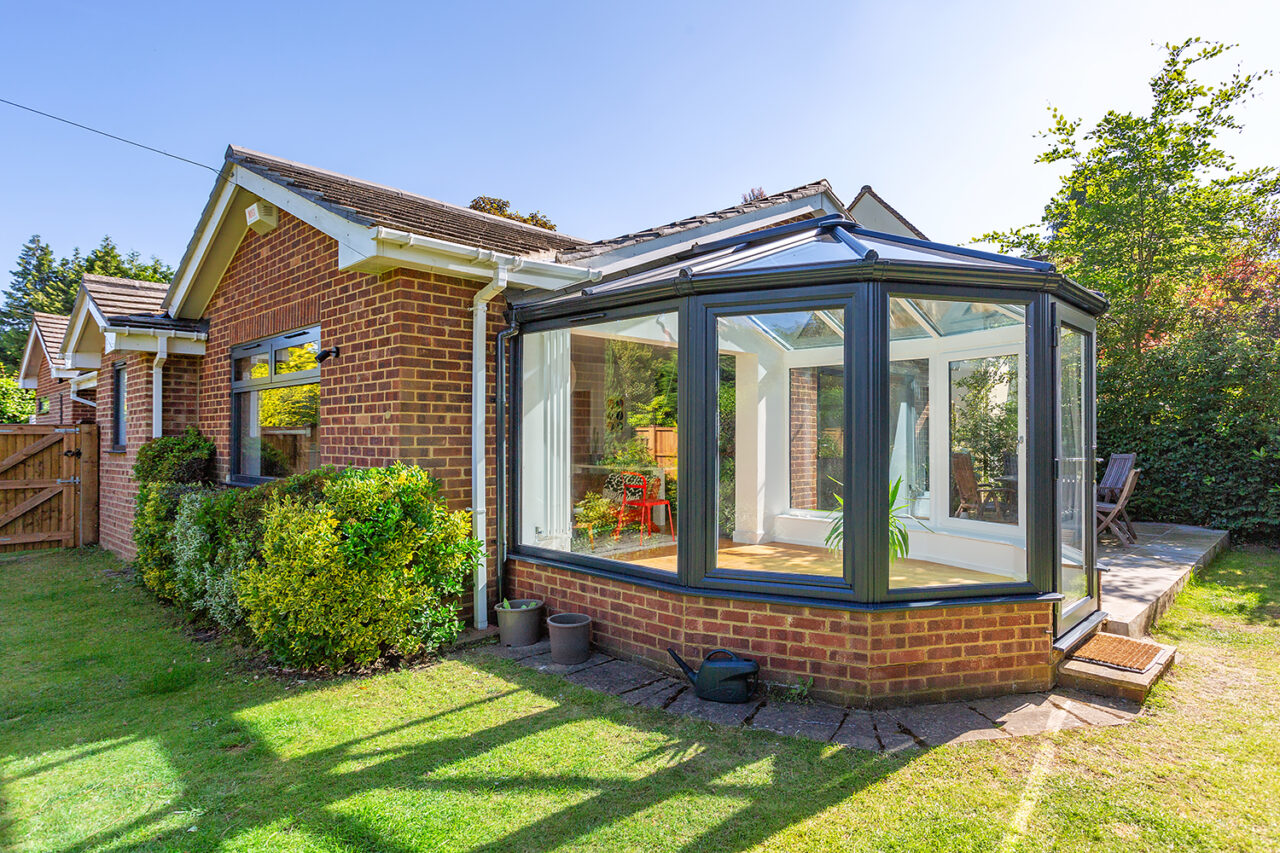
Comfort all year round. A warm roof and good glazing turn a seasonal room into one you can use every day, whether it is a frosty morning in January or a hot afternoon in August.
Less wasted energy. When the room holds on to its heat, you are no longer paying to warm a space that loses it straight back out through the roof.
More space for the way you live. This is the benefit customers mention most. A conservatory that was once used for storage becomes a cosy snug, a dining room, a playroom or a quiet home office. For many families it is like gaining an extra room without building one.
A smarter looking home. A tiled roof can be matched to your house and gives an older conservatory a fresh, modern look from the garden.
Every conservatory is different, so the first step is an honest look at what you have. We will check the condition of your frames, base and walls, talk about how you want to use the room and explain your options clearly. Replacing a glass or polycarbonate roof with a solid one usually needs building regulations approval, and we will explain what that involves for your home.
No pushy sales, just straight advice from a family run business that has looked after homes across Surrey and Berkshire since 1972. When you call, you’ll speak to a real person, not a call centre.
Want to use your conservatory all year round? Speak to our experts or visit our Guildford showroom. Call 01932 344 415 for a free consultation.
One of our team would be happy to have a chat with you about your requirements, answer any unanswered questions and measure up at a time that suits you to provide you a free, no obligation quote.
“It is no wonder that Sheerwater Glass are one of the oldest and most trusted companies in the Woking area.”John Coleman
Sheerwater Glass provides window installation and repairs throughout Surrey and the surrounding areas of our new Guildford showroom as well as Woking. If you’re interested in our services, we encourage you to check if we serve customers in your area by simply typing in your postcode.
If you check and find that we don’t serve customers in your area, in some cases, we may be able to help. Please call us to find out more.